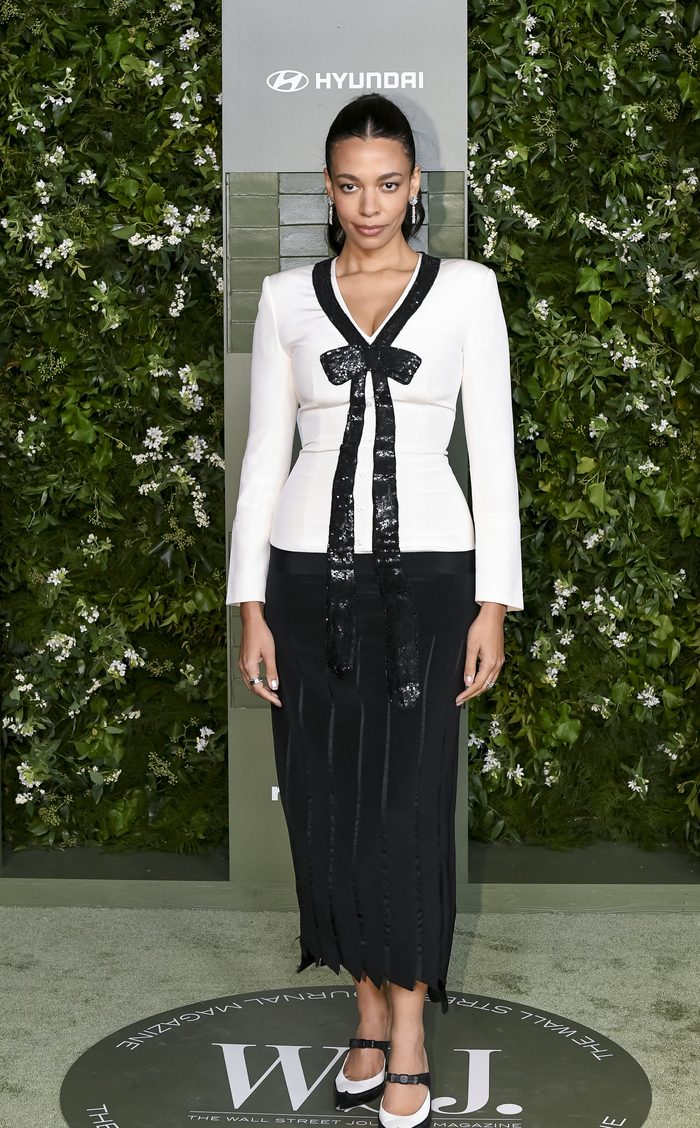
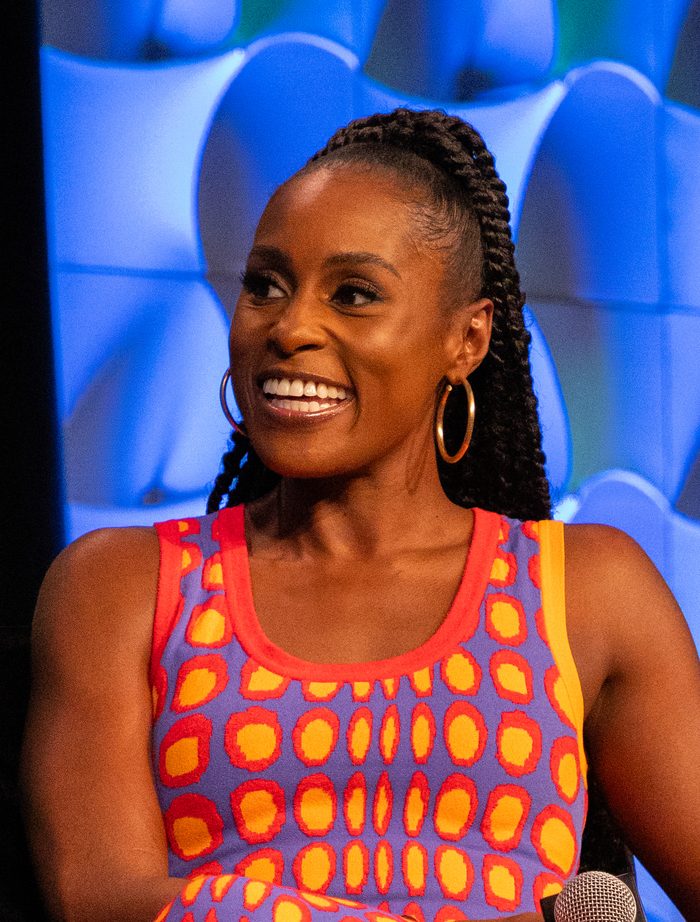
Most kids who get stung by a bee cry, slap on a bandage, and develop a lifelong grudge against anything that buzzes. Mikaila Ulmer got stung twice in one week as a four-year-old and decided to build a business around the very creatures that wronged her. That's not childhood resilience. That's founder energy in a juice box.
The Sweetest Origin Story in the Game
The setup is almost too good. After the bee incident, little Mikaila got curious instead of furious, diving into research about how vital and endangered bees actually are. Around the same time, her great-grandmother Helen mailed the family a 1940s cookbook containing a flaxseed lemonade recipe. A kid's prompt to make something for a local business competition collided with grandma's recipe and a newfound bee obsession, and Me & the Bees Lemonade was born, originally under a different name, sweetened with honey, and built on a promise to give a portion of profits to organizations protecting pollinators.
Buy a lemonade, save a bee. The mission was baked into the product from day one.
From Shark Tank to Store Shelves
The brand's big break came on Shark Tank, where a still-very-young Mikaila pitched with the kind of poise that makes grown executives sweat and walked away with a deal from Daymond John. But the TV moment was a catalyst, not the whole story. The real win was distribution. Me & the Bees landed on the shelves of major national retailers and grocery chains and into the cooler at Whole Foods, with reported sales figures stretching into the hundreds of thousands of bottles and beyond.
What makes it click as a brand, not just a feel-good story, is the clarity. The packaging is sunny and approachable, the name does double duty as a mission statement, and the whole identity is built around a single, sticky idea kids and parents both get instantly. There's no cynicism to decode. It's lemonade that loves bees, made by a girl who genuinely loves bees. Try marketing against that.
Growing Up With the Company
The genius move was refusing to let it stay a cute kid story. As Mikaila grew, so did the operation, professionalizing production, expanding the lineup, and reinvesting in the mission with bee-saving partnerships and education efforts. She wrote a book, spoke on national stages, and turned herself into a young-entrepreneur role model without losing the founding spark. The kid with the folding table became a CEO, and the social mission scaled right alongside the revenue instead of getting quietly dropped once the money showed up.
That's the part aspiring founders should tattoo on their brains. Mikaila didn't bolt a charity angle onto a beverage. The purpose was the product, which meant growth and good were never in tension. Every bottle sold was the mission working as designed.
So the next time life stings you, consider the Ulmer method. Turn the thing that hurt you into the thing you build, and make the world a little sweeter on the way up.